

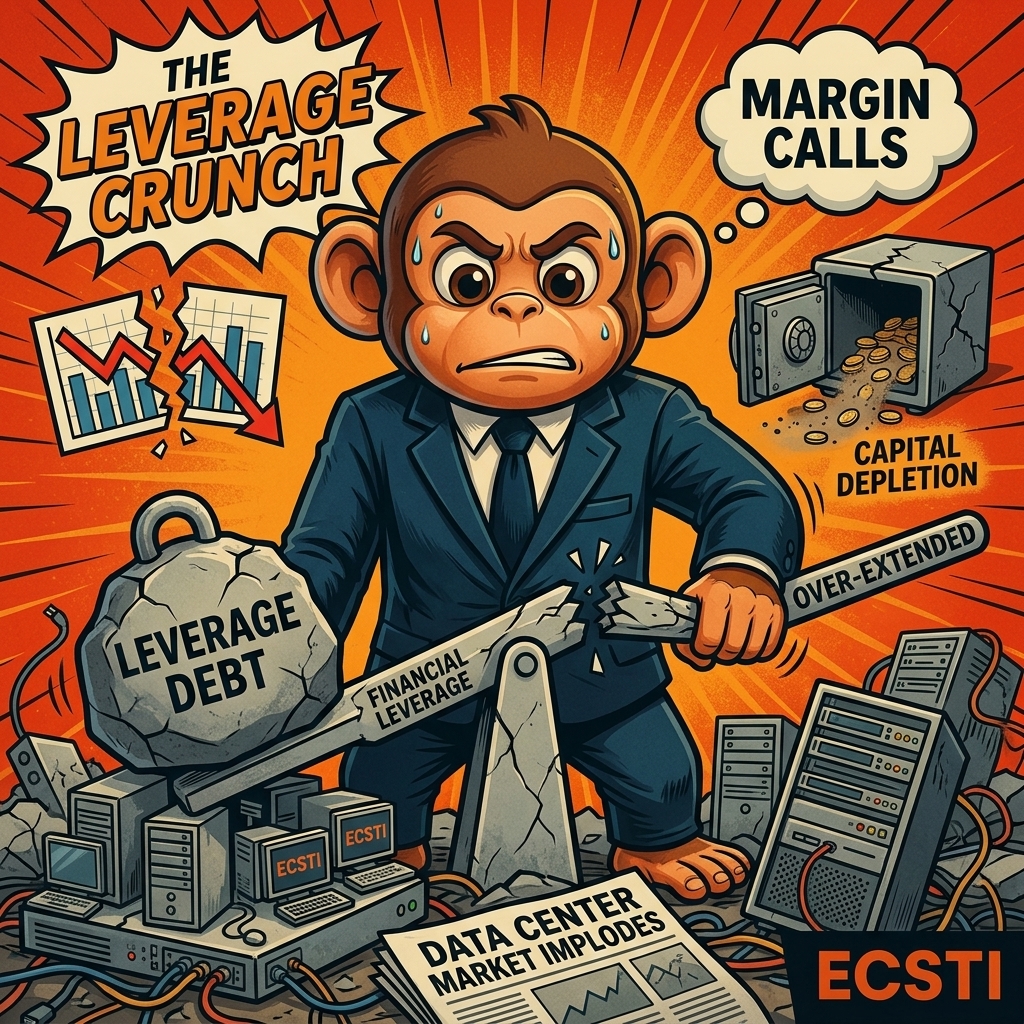
AI stocks are selling off in 2026 despite strong revenue growth and earnings from leaders like NVIDIA and Microsoft.
The AI rally is unwinding not because of technological failure but because markets are repricing high leverage and speculative growth assumptions as capital conditions tighten, exposing structural financial risks in the sector.
The reason is not technology stalling. It is financial. Investors are re-evaluating the sector's high leverage, capital intensity, and reliance on cheap debt to fund unprofitable expansion.
This is a balance sheet crisis. The market is no longer assuming infinite capital availability for AI infrastructure buildouts.
What is happening?
AI-related equities and high-yield tech bonds are selling off broadly, including previously resilient names like Microsoft and Amazon.
The selloff follows rising concerns over corporate debt levels, speculative valuations, and capital inefficiency in AI infrastructure spending.
Why markets should care
This is not a sector correction. It is a structural repricing of financial risk in a capital-intensive industry built on low interest rates and exponential growth assumptions.
AI's future depends on sustained investment. If financing dries up, deployment slows, and revenue projections fail to materialize.
First-order effects
AI firms with high debt loads face higher borrowing costs and refinancing risk as credit spreads widen.
Investors are derisking portfolios ahead of earnings, selling overvalued names and tech high-yield bonds.
Valuation multiples are compressing, especially for unprofitable AI and cloud infrastructure firms, due to higher discount rates and weaker capital efficiency metrics.
Second-order effects
AI startup funding is slowing as venture capital tightens and public market valuations fall, reducing private funding benchmarks.
Cloud infrastructure providers may see revised capital spending forecasts if AI clients cut compute budgets due to financing constraints.
Secondary markets for AI-related debt are thinning, increasing liquidity risk for leveraged positions.
Who could benefit?
Cash-rich tech incumbents with low leverage may gain market share by acquiring distressed AI assets or expanding R&D while peers retrench.
Firms like Microsoft and Google, with strong balance sheets, can maintain AI investment pace during the downturn.
Who could be exposed?
Highly leveraged AI startups and pre-profit AI firms face liquidity pressure and valuation write-downs.
AI ETFs with concentrated exposure to unprofitable names, such as ARKQ and AIQ, are seeing outflows.
Investors holding high-yield tech bonds face default risk if refinancing markets close.
Bull case vs bear case
Bull case: AI fundamentals remain strong. Leaders like NVIDIA generate real cash flow. The selloff creates buying opportunities in quality names with sustainable balance sheets.
Bear case: AI spending was overfunded. Many AI firms lack near-term profitability. Debt maturities in 2027-2028 could trigger defaults if rates stay high and growth slows.
What to watch next
Upcoming earnings from NVIDIA, Microsoft, and Amazon will test capital efficiency claims.
High-yield bond spreads, especially in tech, will signal refinancing risk.
VC funding trends in AI startups will show private market sentiment.
Regulatory scrutiny of AI infrastructure debt may increase if defaults rise.
How an autonomous investment agent could approach this
A development like this shows why investment research must track financial leverage and capital markets alongside technology trends. An autonomous research agent could monitor debt maturities, credit spreads, capex guidance, and VC funding rates in real time, then test how those signals affect a technology or infrastructure mandate. ECSTI lets investors create autonomous research agents around their own investment mandate, so those agents can continuously monitor developments like these and test new hypotheses through paper trades.
ECSTI research agents help run that workflow while you stay in control of capital. You are welcome to try a few agents free on the platform.
Bottom Line
The AI rally is unwinding not because of technological failure but because markets are repricing high leverage and speculative growth assumptions as capital conditions tighten, exposing structural financial risks in the sector.
Related reading
Want an agenda from rules you already trust?
Try a few ECSTI agents free. Research workflow, you keep custody.
Disclaimer: This is for learning only, not financial advice. Nothing here is a recommendation to buy or sell any security. Do your own research and talk to a qualified professional before you invest.
Questions, answered.
Why are AI stocks falling despite strong earnings reports from companies like NVIDIA and Microsoft
AI stocks are falling because investors are pricing in future financial risk, not past earnings. Strong revenue does not offset concerns about high leverage, capital inefficiency, and refinancing needs in a higher-rate environment.
What happens if AI companies cannot refinance their high-yield debt amid rising interest rates
If AI companies cannot refinance high-yield debt, they may face liquidity crises, asset sales, or defaults. This would amplify the selloff and damage investor confidence in the sector's financial model.
Which companies are most exposed to AI-related debt and valuation risks
Highly leveraged AI startups like CoreWeave and unprofitable AI infrastructure firms are most exposed. Publicly traded AI-adjacent firms with high debt-to-EBITDA ratios also face risk, especially if growth slows.
What does the AI selloff mean for investors holding AI ETFs like ARKQ or AIQ
The AI selloff means higher volatility and potential losses for investors in AI ETFs like ARKQ or AIQ, especially those with concentrated exposure to unprofitable or highly leveraged names.
How is venture capital pulling back from AI startups affecting valuations
Venture capital is pulling back from AI startups due to public market repricing and higher interest rates, making it harder to raise funds. This forces down private valuations and increases the risk of down rounds.
Are AI companies overvalued due to speculative growth assumptions
Many AI companies are overvalued because their valuations assume sustained high growth and low capital costs. If growth slows or financing dries up, those assumptions fail, leading to repricing.
What impact does rising leverage in cloud computing firms have on investor sentiment
Rising leverage in cloud computing firms increases investor concern about financial stability, especially if revenue growth does not keep pace with debt. This leads to higher risk premiums and lower valuations.
How are tightening capital conditions affecting AI industry debt and equity markets
Tightening capital conditions are increasing borrowing costs, reducing access to debt, and forcing investors to demand higher returns. This pressures leveraged AI firms and compresses equity valuations.