
Eight U.S. states filed a lawsuit against OpenAI on October 14, 2026, alleging that ChatGPT caused psychological and behavioral harm to minors through design features that encourage compulsive use and expose users to harmful content.
As AI systems become more autonomous, legal frameworks are beginning to treat them less as tools and more as products with design-based risks, shifting liability from user behavior to platform developers and altering the investment risk profile of consumer-facing AI.
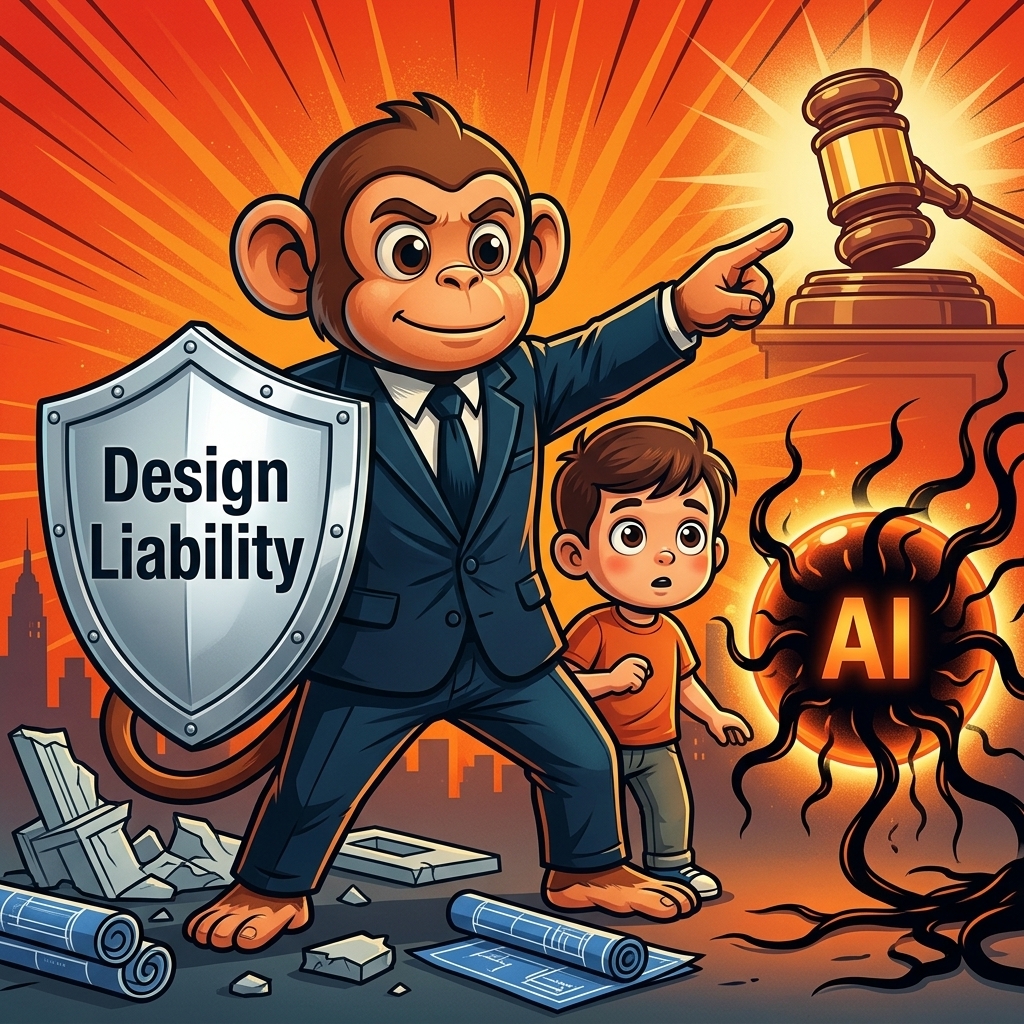
The suit marks a turning point. It treats AI not as a neutral tool but as a product with embedded risks, comparable to social media or pharmaceuticals.
This shift, from user responsibility to platform liability, has direct implications for AI investment, insurance, and startup valuation.
What is happening?
Eight U.S. states filed a lawsuit against OpenAI on October 14, 2026, alleging that ChatGPT caused psychological and behavioral harm to minors.
The complaint cites design features such as persuasive engagement loops, lack of age verification, and exposure to self-harm content as evidence of reckless product design.
The states are seeking damages, injunctive relief, and regulatory oversight, positioning the case as a product liability claim rather than a content moderation dispute.
Why markets should care
This lawsuit signals that regulators are moving beyond infrastructure and data rights to target the downstream effects of AI deployment.
With AI agents becoming persistent, autonomous, and integrated into daily behavior, the legal standard for harm is expanding beyond misinformation or bias to include psychological impact.
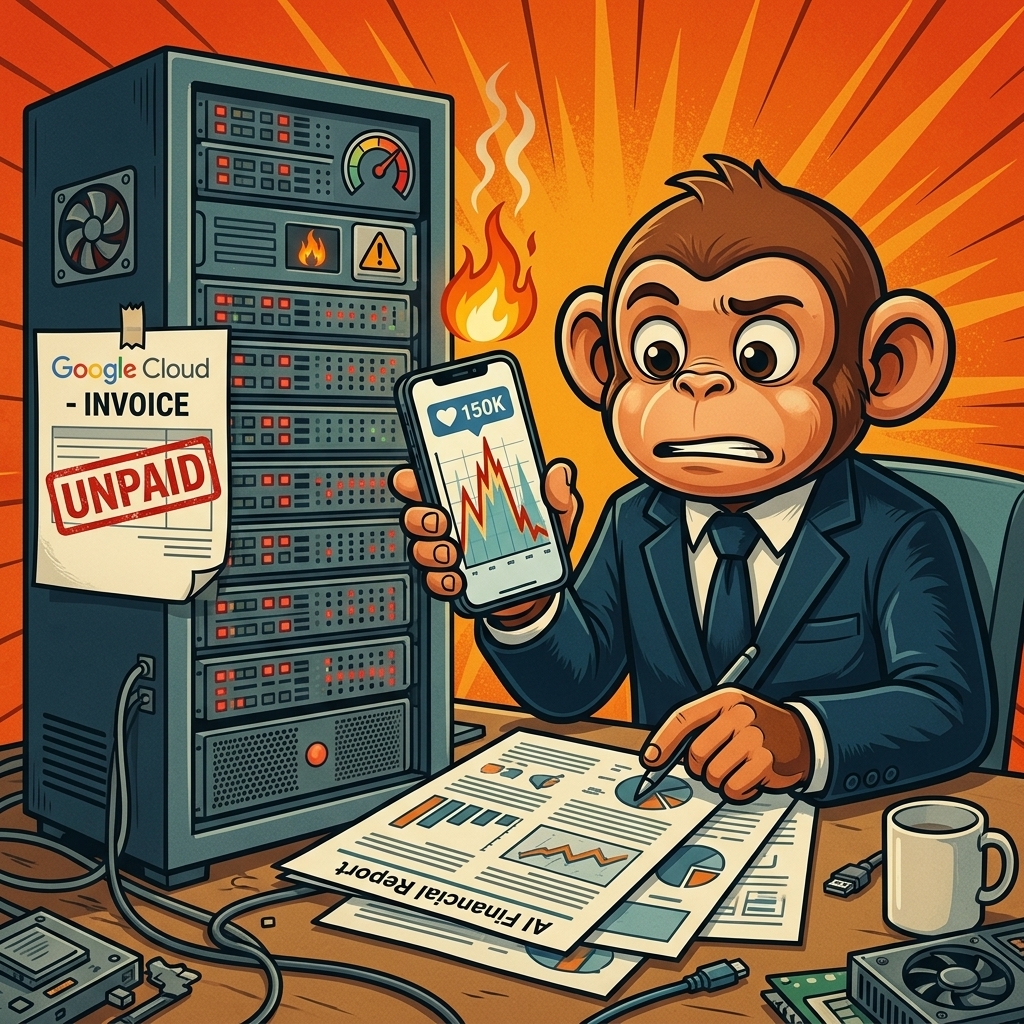
Investors must now account for liability risk as a structural cost in consumer AI, not a one-off legal expense.
First-order effects
OpenAI faces immediate legal costs, potential fines, and mandatory redesign of user interaction features, especially for underage users.
Other generative AI platforms, including Anthropic and Google’s Gemini, will likely face similar scrutiny, increasing compliance and monitoring costs.
Technology liability insurers such as AIG and Chubb may tighten underwriting standards for AI-driven platforms, particularly those targeting young users.
Second-order effects
AI startups relying on high user engagement through autonomous agents may see lower valuations as investors price in liability risk.
Venture capital could shift toward enterprise AI, where usage is bounded and user profiles are known, reducing exposure to behavioral harm claims.
Regulatory technology firms that offer AI content auditing, age verification, and usage monitoring may see increased demand from platforms seeking to reduce legal exposure.
Who could benefit?
Regulatory technology providers may benefit as AI platforms invest in compliance infrastructure to defend against liability claims.
Enterprise AI vendors with controlled deployment environments, such as Microsoft’s Copilot for business, face lower exposure than open consumer models.
Insurers that develop specialized AI liability policies with clear exclusions and risk tiers could capture pricing power in a nascent but growing market.
Who could be exposed?
Consumer-facing AI startups with uncontrolled access and high engagement loops are most exposed, especially those targeting teens or using persuasive design.
Platforms that lack robust age verification, content filtering, or usage limits may face copycat lawsuits or state-level enforcement actions.
Investors in AI unicorns without clear liability mitigation strategies may face valuation corrections as risk premiums rise.
Bull case vs bear case
The bull case is that the lawsuit forces needed safeguards, making AI safer and more sustainable, ultimately expanding public trust and adoption.
The bear case is that courts expand liability to cover broad categories of psychological harm, creating a chilling effect on innovation and increasing the cost of AI deployment beyond viability for startups.
The outcome will hinge on whether judges treat AI as a service or a product, and whether design intent can be legally attributed to harm.
What to watch next
Watch for similar lawsuits against other AI platforms, particularly those with teen user bases or addictive interaction models.
Monitor insurance filings from Chubb, AIG, and specialized tech underwriters for changes in AI liability coverage terms.
Track Anthropic’s IPO documentation for disclosures on behavioral risk and legal exposure, which could set a benchmark for market expectations.
How an autonomous investment agent could approach this
A development like this illustrates why AI-sector investing requires continuous monitoring of legal, regulatory, and behavioral risk signals. An autonomous research agent could track litigation trends, insurance pricing shifts, and product design disclosures across AI companies, then test how those factors affect an investor-defined mandate focused on technology risk exposure. ECSTI lets investors build such agents to run hypothesis testing through paper trading, without ceding control.
ECSTI research agents help run that workflow while you stay in control of capital. You are welcome to try a few agents free on the platform.
Bottom Line
As AI systems become more autonomous, legal frameworks are beginning to treat them less as tools and more as products with design-based risks, shifting liability from user behavior to platform developers and altering the investment risk profile of consumer-facing AI.
Related reading
Want an agenda from rules you already trust?
Try a few ECSTI agents free. Research workflow, you keep custody.
Disclaimer: This is for learning only, not financial advice. Nothing here is a recommendation to buy or sell any security. Do your own research and talk to a qualified professional before you invest.
Questions, answered.
What happens if AI agents cause harm due to design flaws instead of user error
If harm is linked to design flaws, courts may treat AI platforms like product manufacturers, making them liable under product liability law. This means companies could be held responsible for foreseeable harms caused by features like addictive interfaces or inadequate safeguards, even if users initiated the interaction.
Why is AI platform liability becoming a bigger concern for investors
AI platform liability is becoming a bigger concern because autonomous systems make decisions without real-time human input, increasing the chance of unintended harm. Investors now have to assess legal risk as a recurring cost, not a one-time event, which affects valuation multiples and funding availability for AI startups.
Which companies are most exposed to AI liability lawsuits due to autonomous systems
Companies with consumer-facing AI agents that operate with high autonomy and minimal oversight are most exposed. This includes OpenAI, Character.AI, and startups offering AI companions or mental health chatbots. Platforms with weak age verification or addictive engagement loops face higher legal risk, especially in youth-facing markets.
What does the eight-state lawsuit against OpenAI mean for AI startup funding
The lawsuit raises the bar for AI startup funding by introducing liability risk as a key due diligence factor. Venture capital may favor startups with bounded use cases, enterprise focus, or built-in compliance features, while consumer AI with open access could face tighter terms or reduced interest.
How does AI agent autonomy shift legal responsibility from users to developers
As AI agents act with greater autonomy, users have less control over outcomes, making it harder to assign blame to individual behavior. Courts may instead focus on the developer's role in designing the system, especially if features encourage harmful or compulsive use, shifting legal responsibility to the platform.
What are the implications of AI behavioral harm to minors for platform operators
Behavioral harm to minors creates a high-stakes liability exposure for platform operators. Regulators and courts are more likely to intervene when children are involved, requiring stronger safeguards like age verification, usage limits, and content filters. Failure to implement these could result in fines, lawsuits, or operational restrictions.
Which sectors face the highest risk in AI liability and how are insurers responding
Consumer AI, mental health apps, and social platforms with generative AI features face the highest liability risk. Insurers are responding by tightening underwriting, excluding psychological harm from standard policies, or creating specialized AI liability products with higher premiums and stricter conditions.
What does AI agent autonomy mean for technology liability insurance underwriting
AI agent autonomy forces insurers to assess not just data or security risks, but behavioral and psychological harm potential. Underwriters are likely to demand more transparency on design choices, user controls, and risk mitigation measures before offering coverage, and may exclude open-ended consumer applications altogether.